





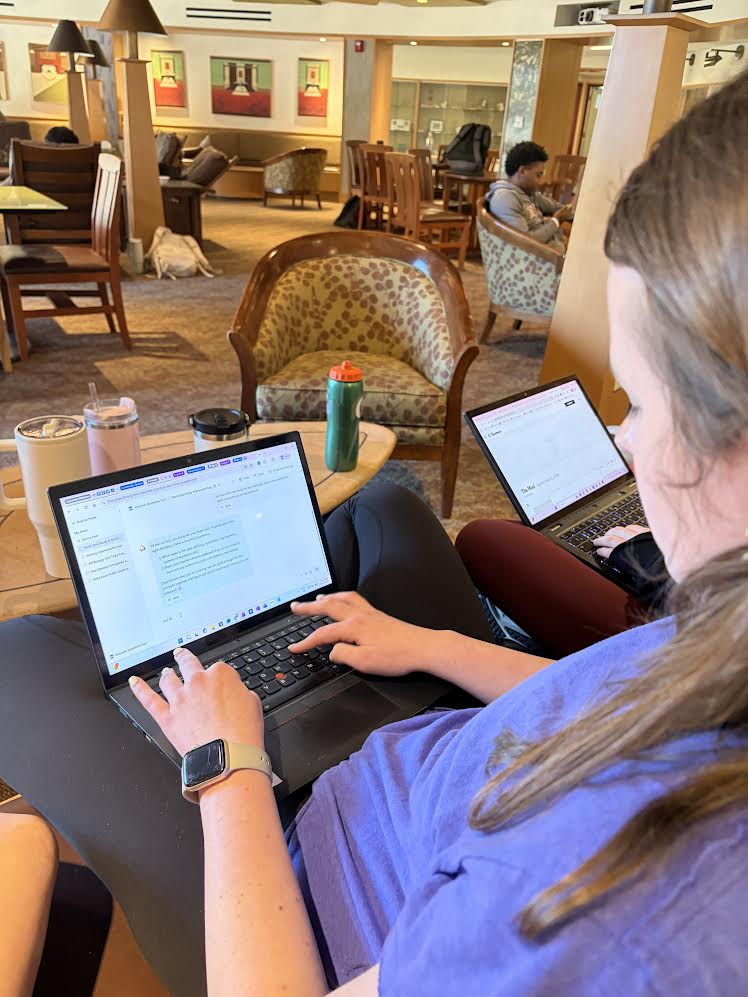





As artificial intelligence becomes harder to ignore in schools, MICDS has made its choice: Flint is the approved AI platform for students, while all other AI tools are blocked on computers. The decision has sparked mixed reactions from students and teachers alike, raising a broader question about what role AI should play in education.
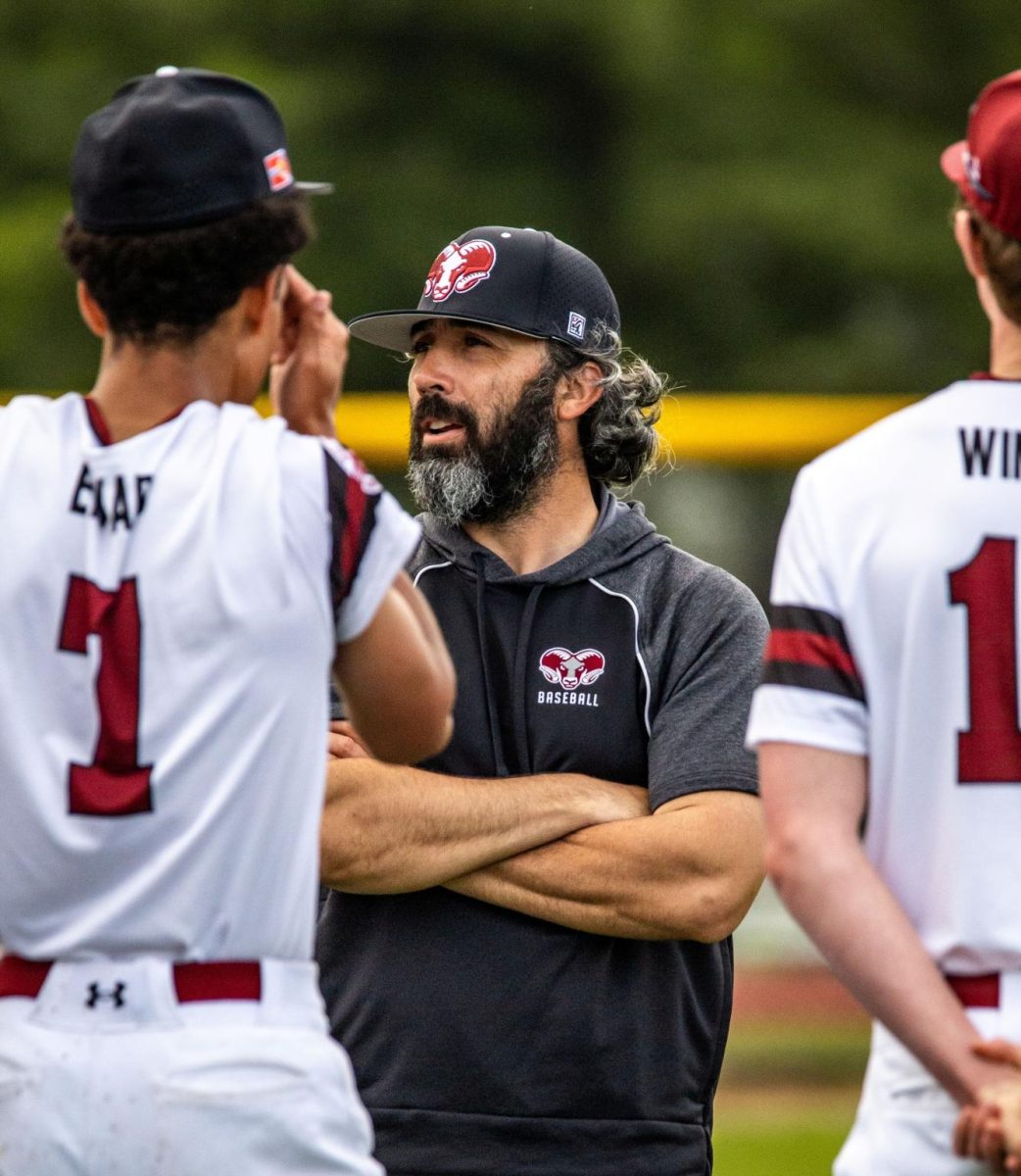
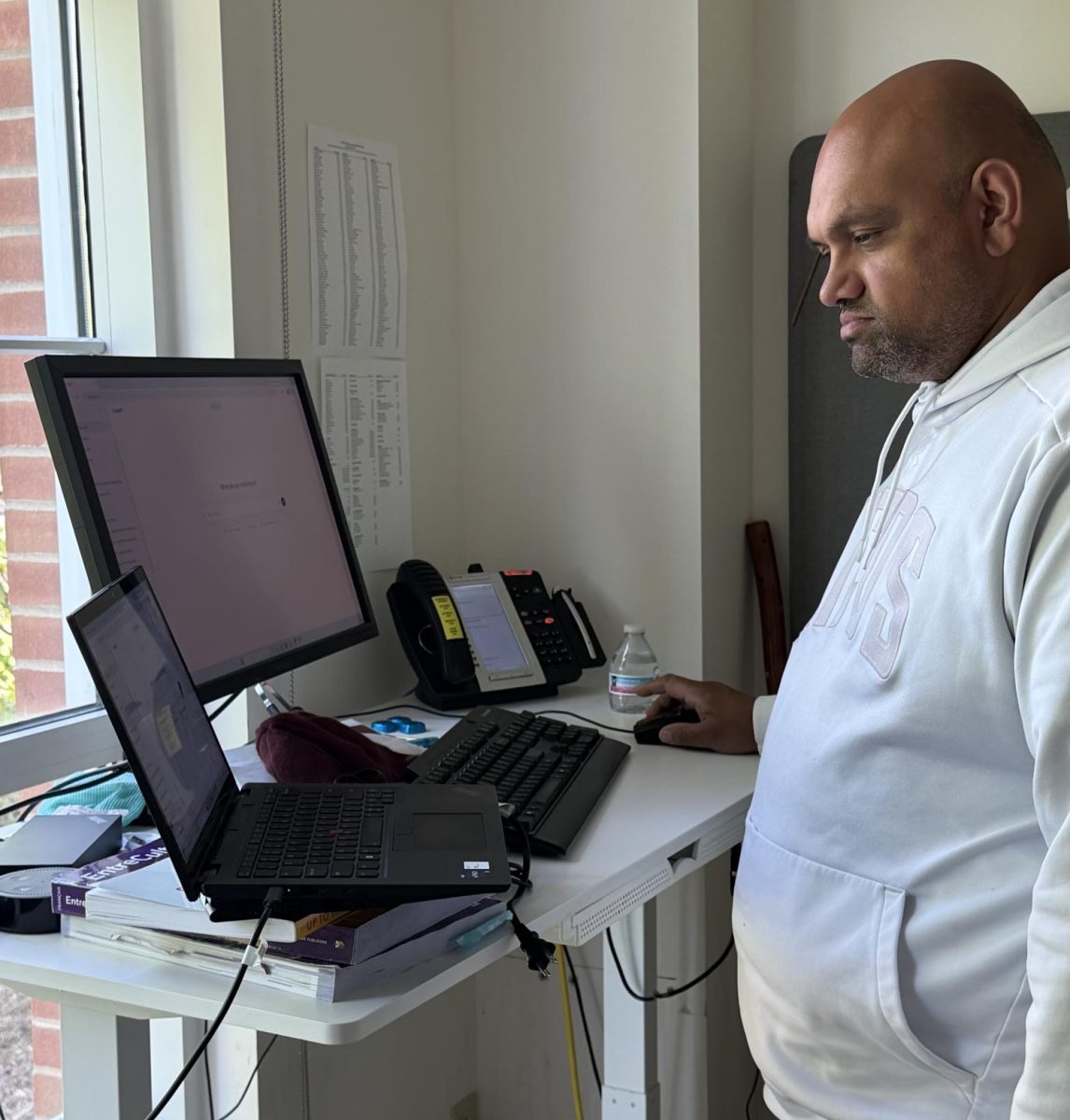
For Tex Tourais, Dean of Digital Learning, the move towards Flint is not solely about preventing cheating. It is about teaching students how to use AI responsibly before they become dependent on it.
“You can’t just tell students not to do something,” Tourais said. “Particularly when it’s something like a tool, because it’s not very compelling for a lot of students to say, ‘All right, this tool could make your life easier, but don’t use it because it’s bad.’ So, instead, what you’d like to do is you’d like to teach them how to use that tool effectively.”
Tourais said that academic integrity is part of the issue, but not the whole issue: “At first you use a tool, but then you can use it so much, it becomes a crutch, and then if you use a crutch too much, then you lose the ability to walk.”
According to Tourais, Flint differs from public-facing AI tools like ChatGPT, Claude, and Gemini because it was designed as a tutor rather than a shortcut.
“Those public-facing AIs are attempting to get the user from A to B as quickly as possible,” Tourais said. “The idea is you turn to AI, you offload the thinking to it, and it kicks out the answer that is plausible. Flint is trying to think about AI as a tutor. It doesn’t want to get you from A to B as quickly as possible, because ultimately the client is the school itself, so it has to be in alignment with our education philosophies.”
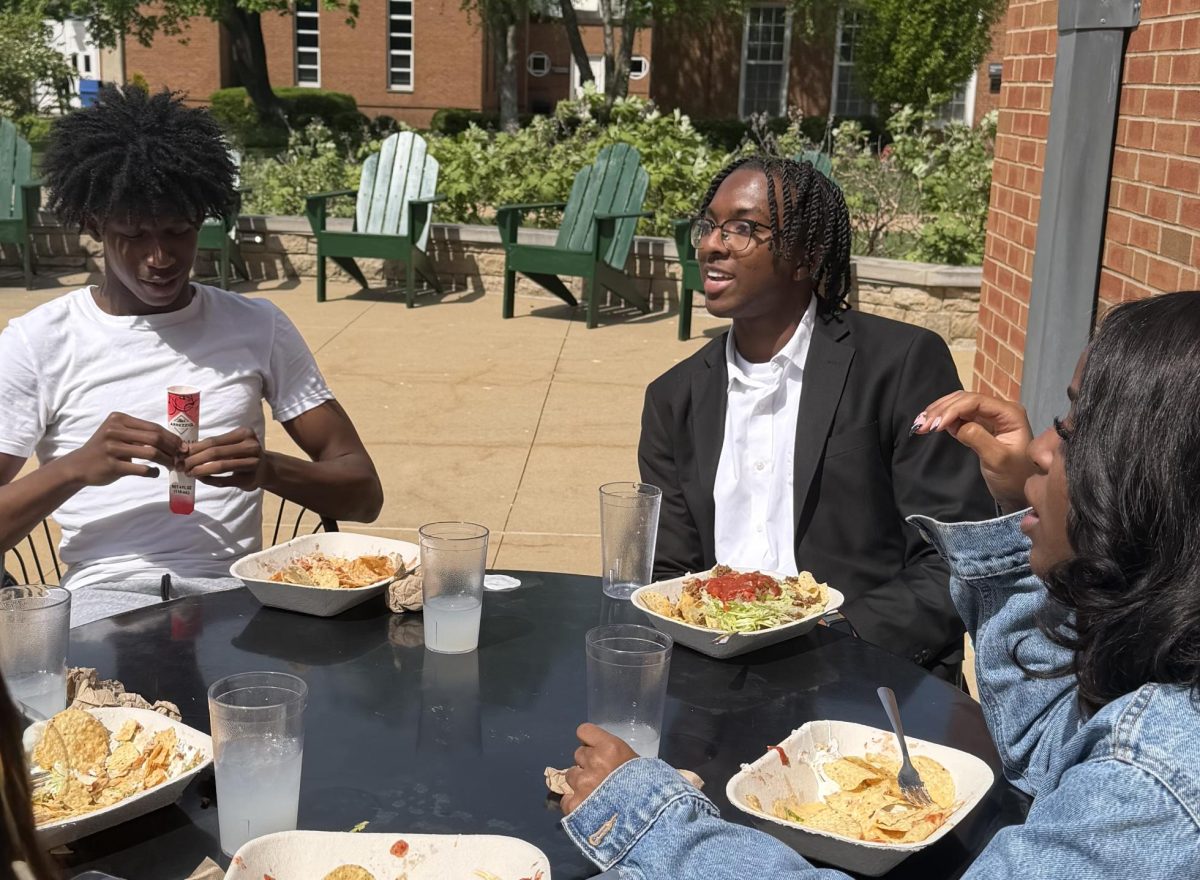
Students have had mixed feelings about Flint, but they understand why the school has chosen to block other AI platforms.
“I have a mixed relationship,” Naila Ashford ‘29 said. “AI is harmful to the environment, and the usage of AI can stop your ability to create ideas on your own if you use it too much. But it is also helpful because you can ask questions, like ‘Can you help me work through this math problem?’ or “Is the way I’m doing this correct?”
Ashford said Flint can support learning, but it can also become too easy to rely on. “I think it’s both helped and hindered my learning,” she said. “I think I have relied on Flint too much sometimes.”
“I think it was a good decision,” Ashford said. “If we’re going to use AI in school, we should block fully generative AIs so that we’re not completely generating essays and cheating.”
“I have a mixed relationship,” Irmine Ondala ‘29 said. “I think it is helpful to explain things. If you have very specific questions, it will know exactly how to answer. However, sometimes when you need it to be more open-ended, or you try to use it to help you prepare for tests, it can be a little bit confusing and doesn’t give me the response that I need.”
Like Ashford, Ondala said blocking other AI tools may help protect students from overusing them.
“I think that’s probably the best decision,” she said. “Other forms of AI really do hurt learning. Writing specifically is the big one. People ask AI to generate essays, and then they don’t build the skills they need for basic essay writing.”
For teachers, Flint presents a different set of opportunities and challenges. Tanya Roth, Upper School History Teacher, said her opinion on Flint has changed over time.
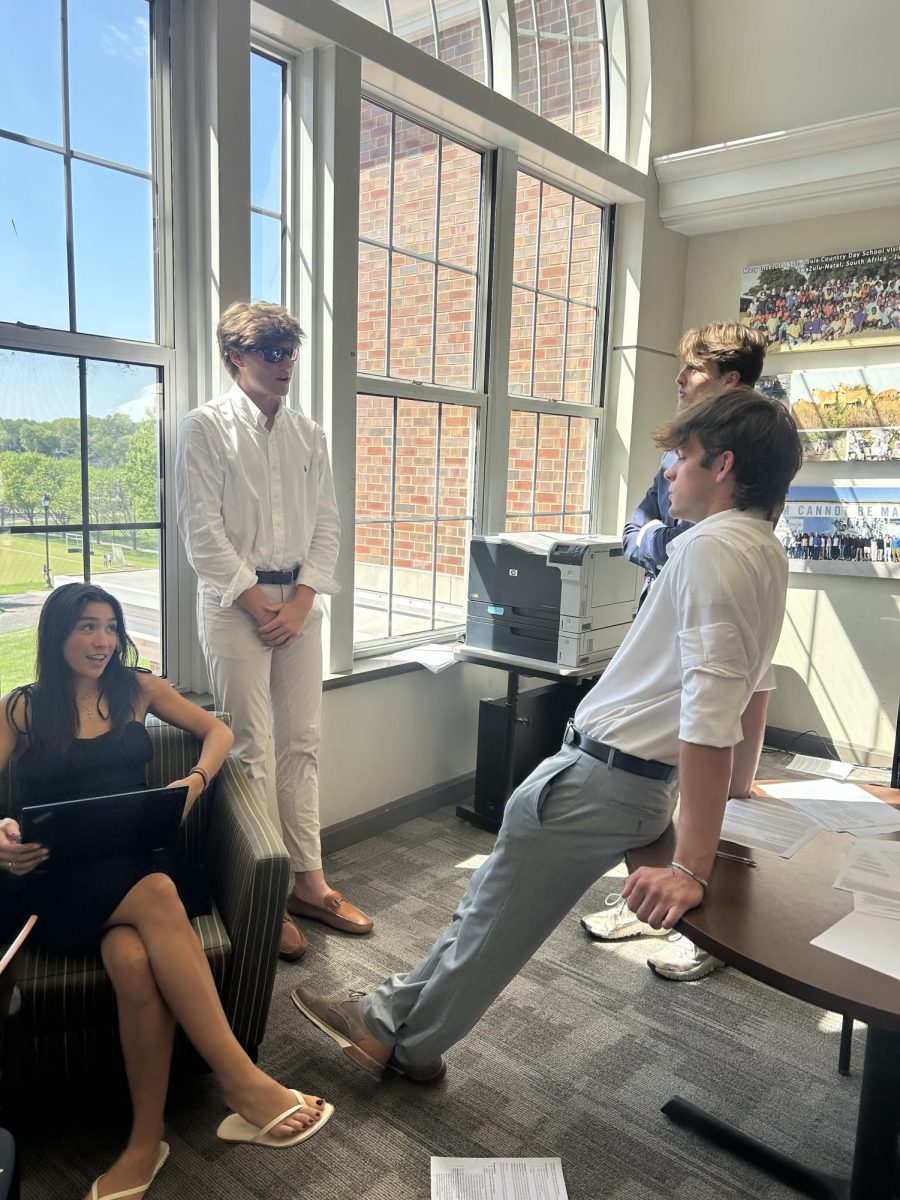
“I kind of love Flint now,” Roth said. “I used to hate it, but in the last school year, I started actually using it a lot more. It’s become a really useful tool for brainstorming, for tweaking assignments, for analyzing assessments, and for checking my logic.”
However, Roth said she does not fully support the blocking of other AI tools.
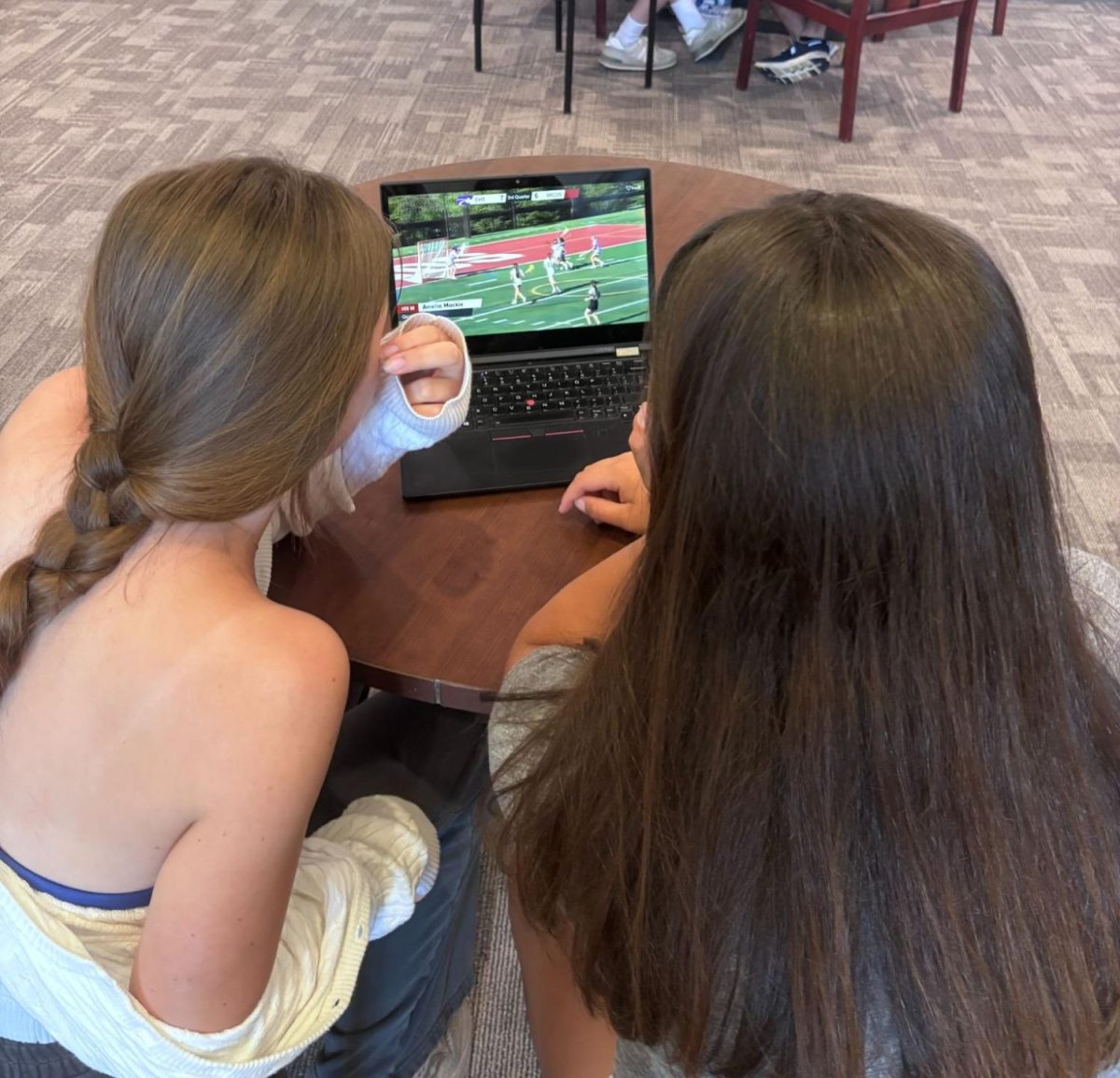
“From a teaching standpoint, I feel like the biggest thing with the blocking has been that students just get on their own devices and find ways around it,” Roth said. “I don’t think it actually stops people from using it. It just makes people more creative in how they are using it, and not creative in the ways that we want people to be creative.”
Tourais acknowledged that blocking other AI platforms is not a perfect or permanent solution. In fact, he said, sustainability is one of the most difficult aspects of the policy.
“It’s whack-a-mole, and it’s terrible. You knock out the big ones, and then that drives some students to the lesser ones,” Tourais said.
As Flint becomes more common in MICDS classrooms, the school’s AI policy remains a work in progress. Students see both benefits and risks. Teachers see both creative possibilities and practical frustrations. Administrators see Flint as a way to guide students towards responsible AI use without pretending that AI can be ignored.
For now, MICDS is not rejecting AI or fully embracing every AI tool. Instead, the school is trying to teach students when to walk on their own, when to use a crutch, and how to know the difference.