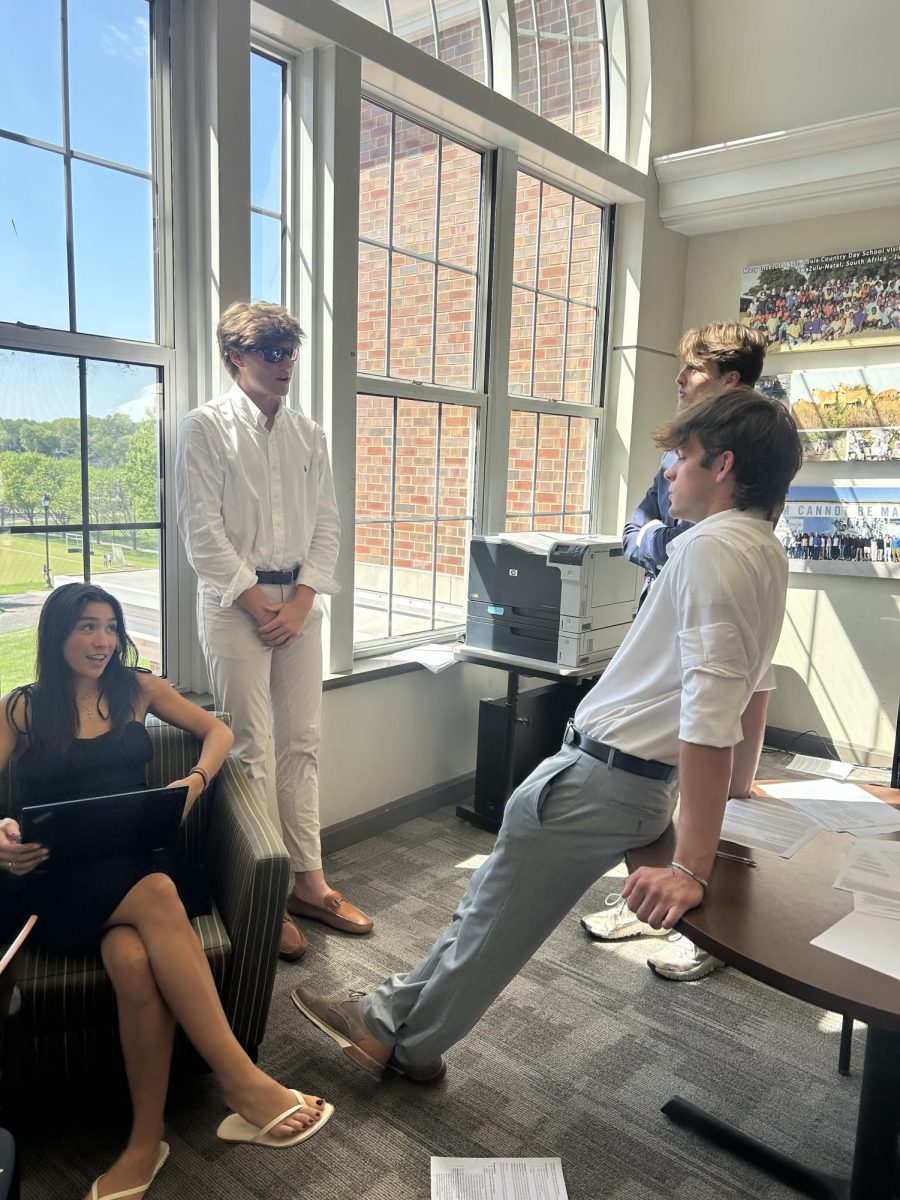




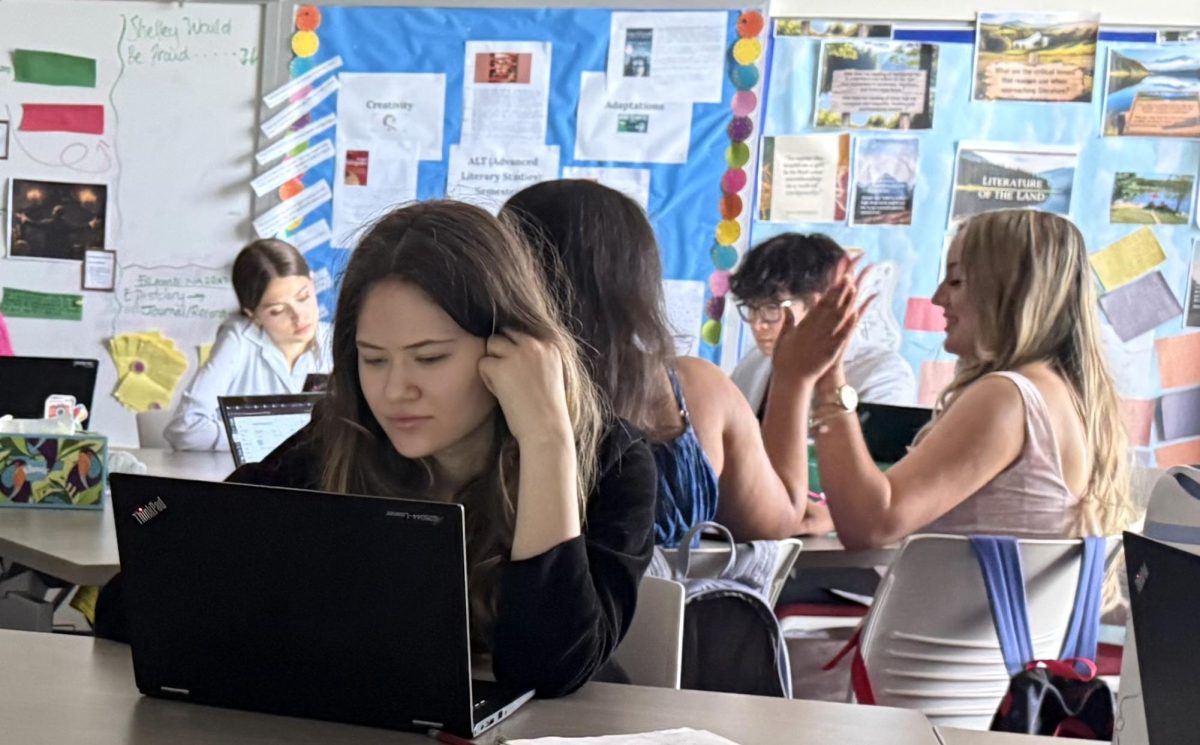
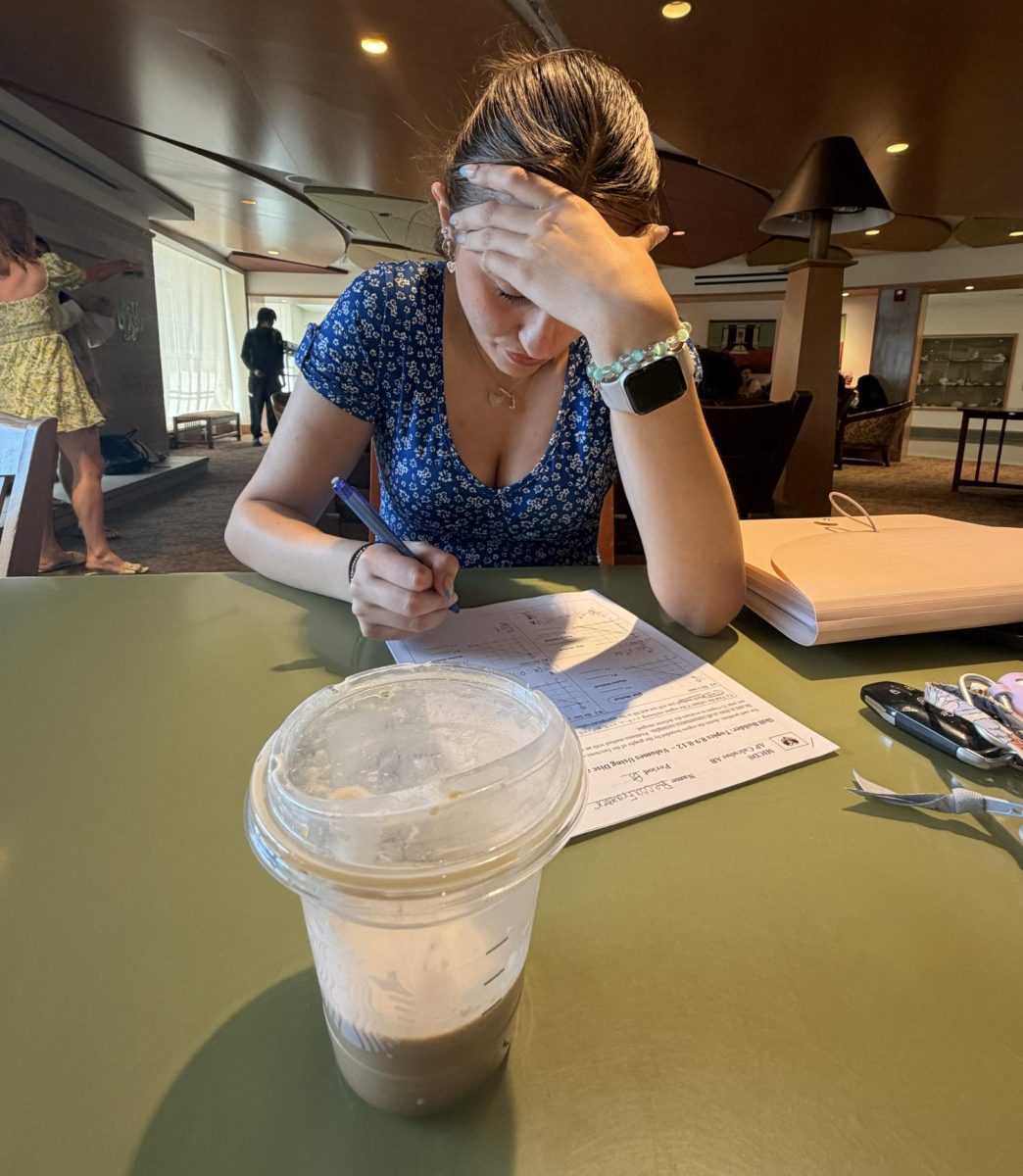

A debate has arisen regarding the dress code, with some members of the community questioning the necessity of it, and others saying that it is important to retain. Since MICDS’s foundation, the dress code has been a part of student life. The dress code shapes what the students wear and determines how they present themselves on campus. In a similar fashion to other policies in the school, such as the headphone policy and AI use, the dress code has been subject to change. With an ever-evolving student culture, ideas on self-expression, current fashion trends, and the overall expectations regarding professionalism have all changed.
“In my humble opinion, the dress code is fairly low in terms of importance,” Daniel George, Dean of the Class of 2026, said. “However, having said that, I think there is a place in space for dressing up, but like having a shower in the morning and wearing fresh clothes and making sure that you’re well turned out is important.”
The dress code has changed over the last few years.
“[The dress code] used to be a little strict, especially freshman and sophomore year,” Karthik Krishnaswamy ’26 said. “I would say [the administration] kind of got, like, a little lenient on it, and I don’t mind it,” Krishnaswamy said.
“I don’t think the school needs a dress code,” Ian Zar ‘26 said. “ I don’t think that the dress code prepares [students] for the real world. [Because] when [students] grow up, no one’s going to tell you what you have to wear or how you should look.”
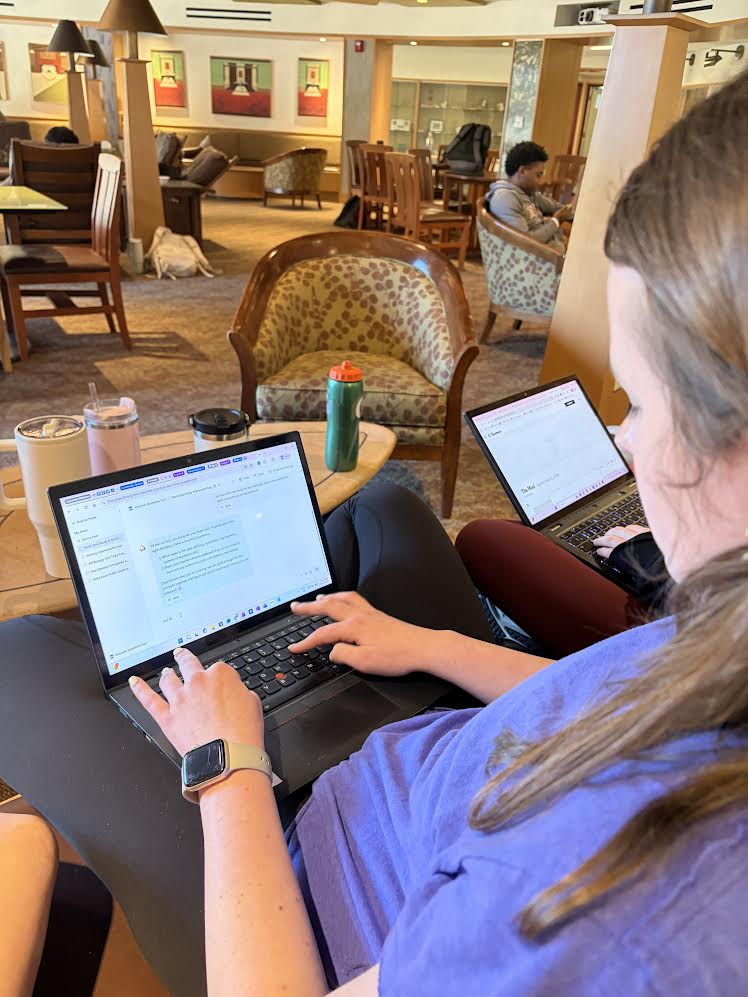
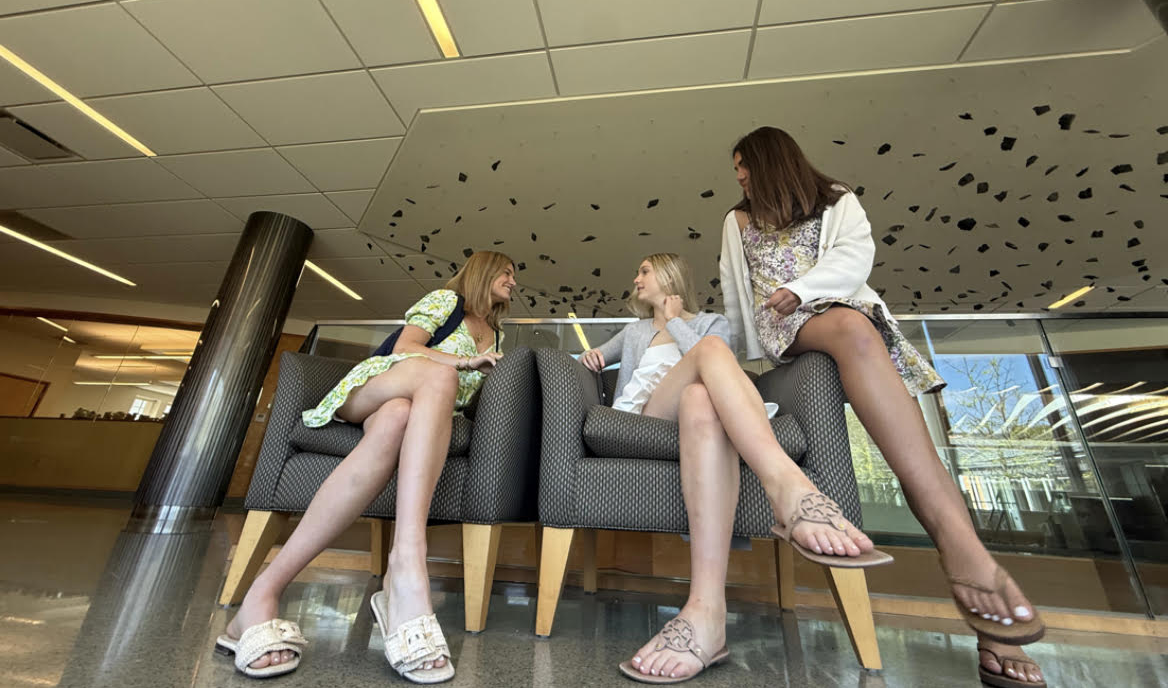
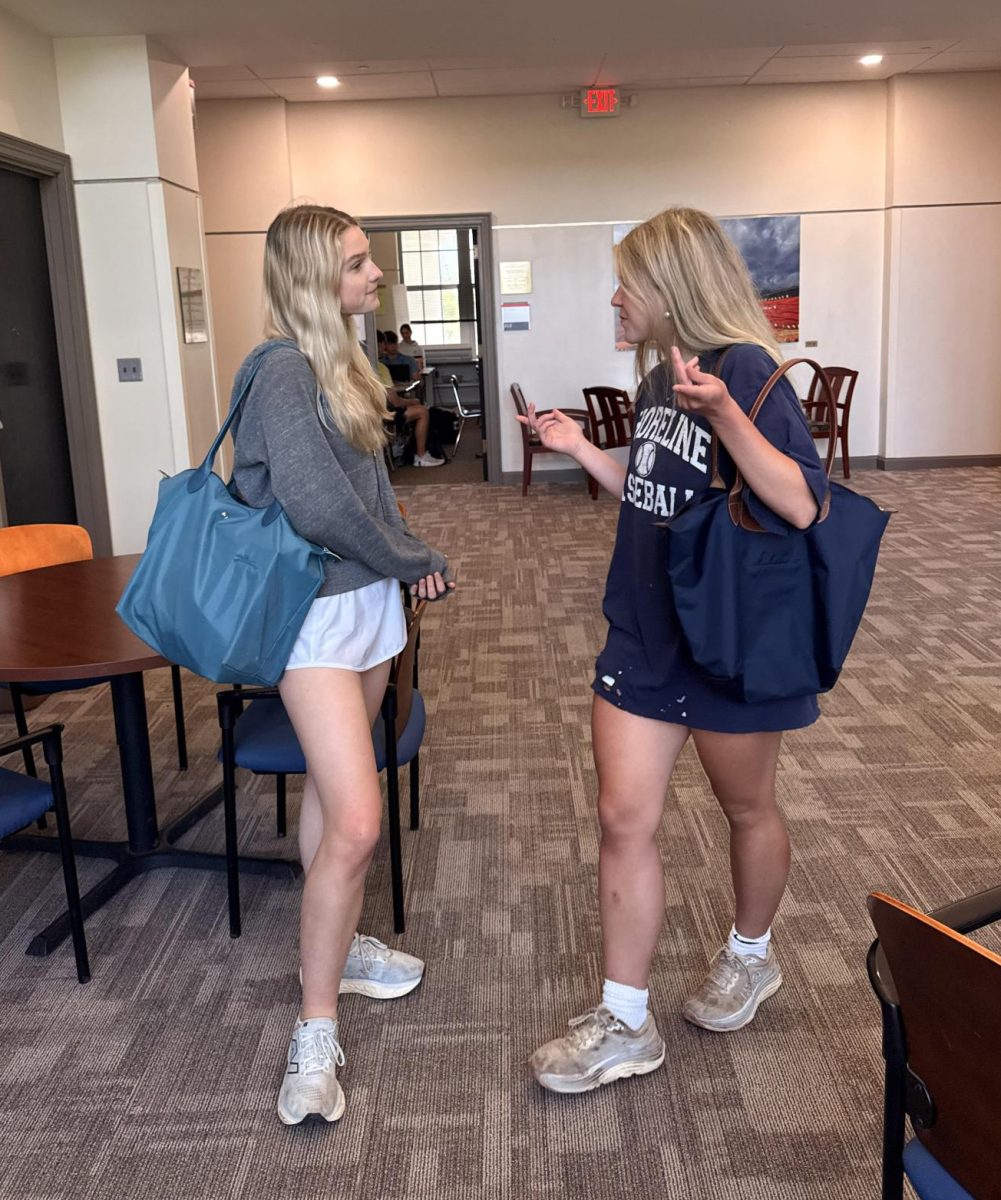
“Sometimes it’s just easier to dress comfy, because, like, it’s like a hard day, and they’re not really worrying about how they look,” Aparna Paturu ’26 said. “I like that we can wear flare leggings. I think it is a good in between because they still look pretty and put together, but they’re not PJ’s. I think some sweats are acceptable, but I get how they’re not most times.”
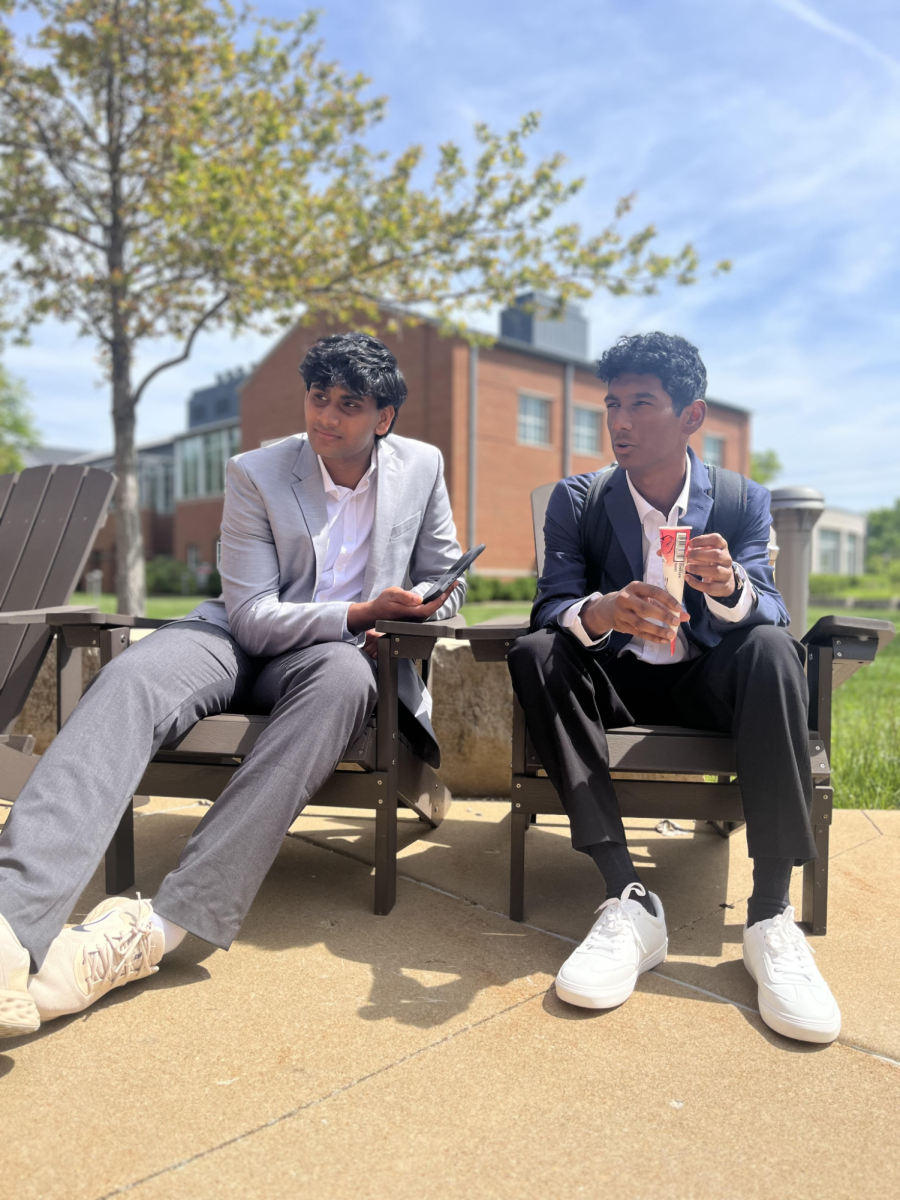
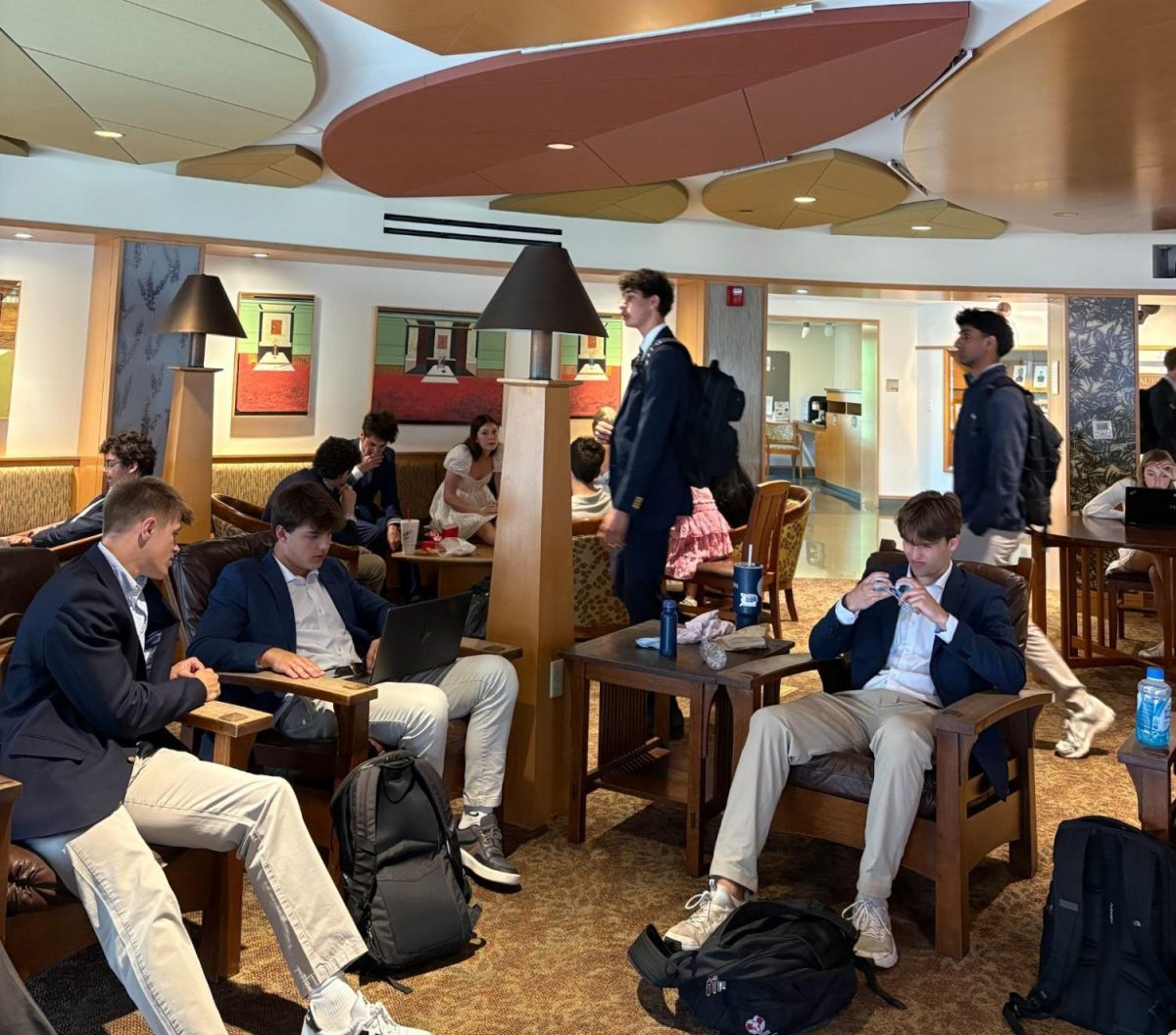
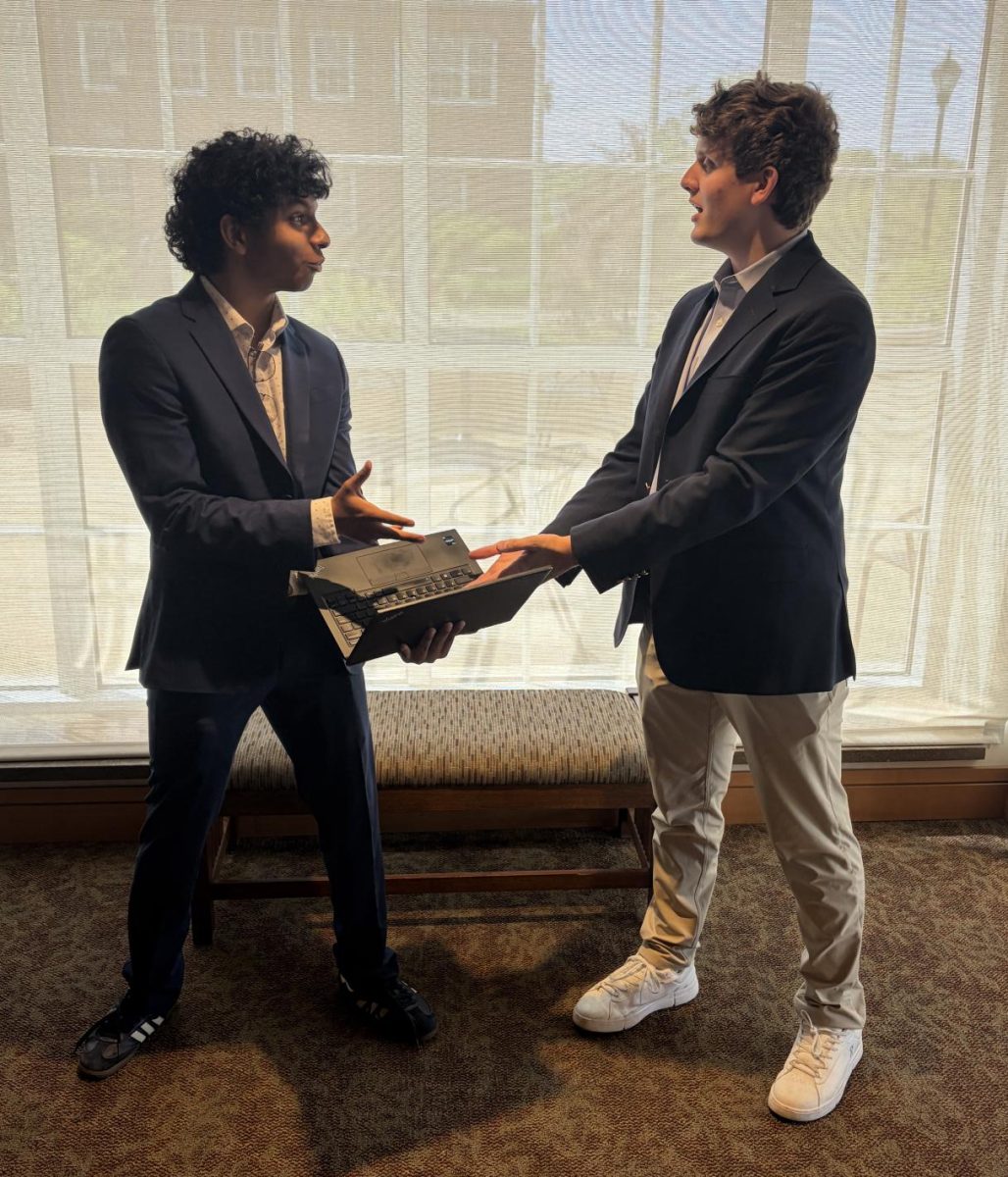
Occasionally, MICDS students dress in formal dress when speakers come to visit or significant events occur.
“In recent memory, we had an assembly, which I understand you have to dress up for,” Zar said. “However, it was at the very start of the day, it should be an option if you want to remain in professional dress or not. Because if a speaker comes, you want to look nice for them, you want to greet them. But after that, it doesn’t matter. So people are uncomfortable in their clothing.”
“Personally, I don’t mind professional dress days because I kind of like dressing up, just like I feel a little put together,” Nicholas Zhao ‘26. “But I’d say overall, like, they’re not really necessary, but I don’t think they’re a bad thing to include, especially if it’s a prize speaker day or if alumni are coming. Although I think for some days they’re not necessary otherwise, I think they’re a decent addition to [the school].”
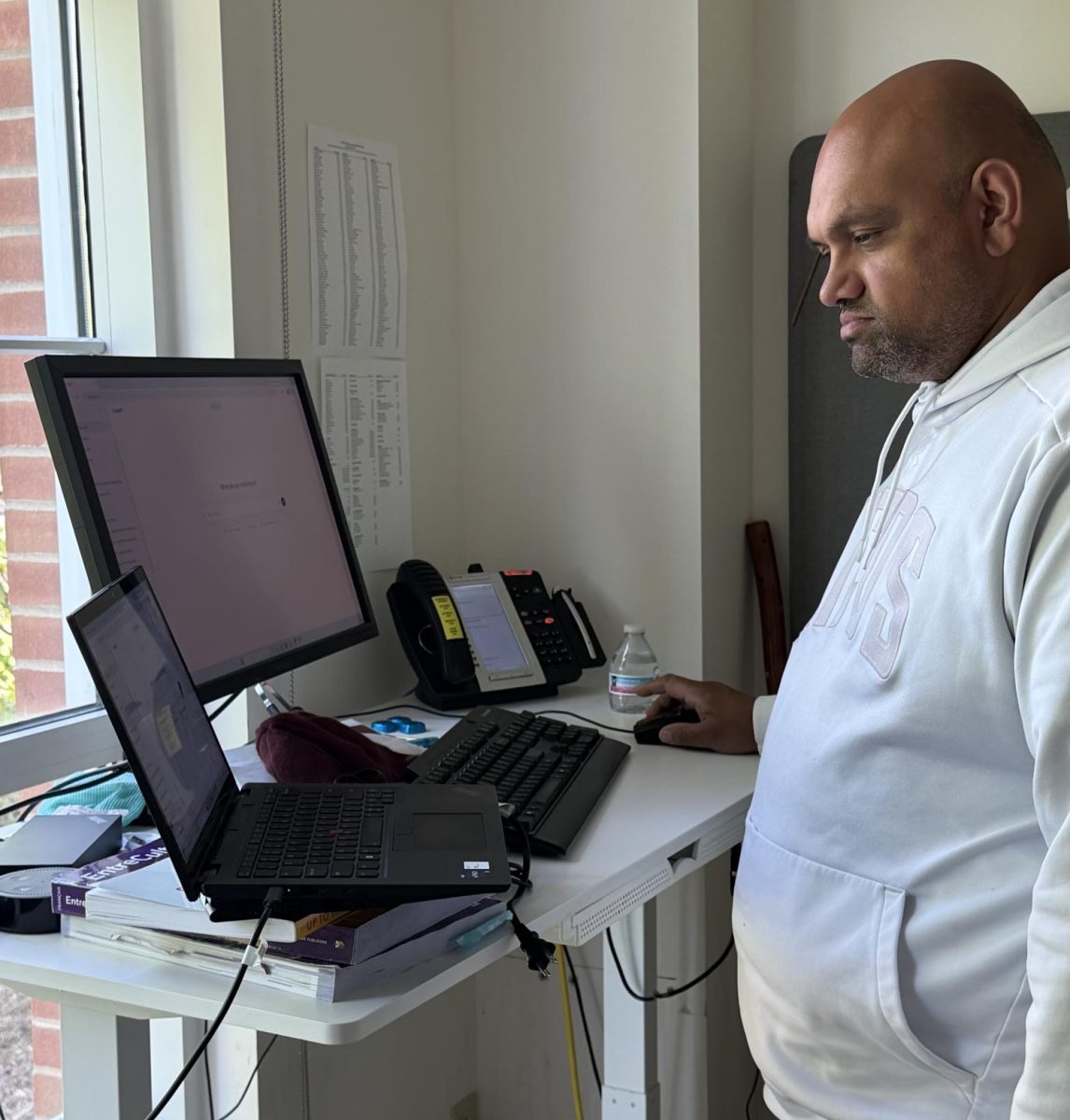
Faculty such as Colleen Williamson, Upper School librarian, also yield opinions of the dress code and are impacted by it.
“It changed so much to the point that it is obsolete. I am sometimes scandalized by what people do wear to school. So, I think that it is a hard spot that the admin finds themselves in,” Williamson said. “People really do try to push boundaries and see what they can get away with. Now that being said, I also think there are very few consequences here,” Williamson said. “It seemed like after the pandemic, lots of things loosened up, and I don’t know if it was just the pandemic. I think people, in general, as society is becoming much less formal and, like everybody’s wearing athletic wear, everywhere, and everybody’s wearing short skirts or whatever it is nowadays.”